
Washdown and Corrosion-Resistant Material Handling Equipment
Some material handling environments require more than standard industrial construction. Sroka manufactures material handling equipment for applications where water exposure, cleaning chemicals, corrosion risk, sanitation, or product-contact requirements must be considered as part of the equipment design.
That does not always mean full stainless steel construction. Depending on the application, the right solution may involve washdown-ready component protection, corrosion-resistant design measures, stainless steel axles, stainless-clad forks or platforms, stainless product-contact surfaces, or fully stainless equipment where required.
- Washdown-ready equipment for wet or regularly cleaned environments
- Corrosion-resistant configurations for chemical exposure and harsh cleaning agents
- Stainless and stainless-clad product-contact surfaces where required
- Application-specific engineering for food, beverage, pharmaceutical, and sanitary environments
Understanding the Difference Between Washdown, Corrosion Resistance, and Sanitary Design
These terms are related, but they do not all mean the same thing.
Washdown-ready equipment is designed for environments where equipment may be exposed to water, cleaning cycles, or frequent washdown procedures. That may involve protected electrical systems, sealed components, and design measures intended to improve durability in wet cleaning environments.
Corrosion-resistant configurations are designed for environments where moisture, cleaning chemicals, or aggressive agents can accelerate corrosion. Depending on the application, that may involve material selection, coatings, protected components, stainless axles, stainless hardware, or stainless-clad load-contact surfaces.
Sanitary or product-contact design focuses on the parts of the equipment that may contact the product or operate in tightly controlled environments. In some cases that may require stainless steel forks, platforms, grips, or other contact surfaces without requiring the entire chassis to be stainless.
That distinction is important because it lets Sroka engineer the right level of protection and material selection for the application instead of forcing every customer into a full-stainless design regardless of actual need. This matches broader market distinctions between corrosion-resistant, hygienic, washdown-ready, and fully stainless material handling equipment.
Common Environments That Require These Configurations
Common Configuration Approaches
Washdown-Ready Component Protection
For applications where water exposure or repeated cleaning requires better protection of critical components.
Corrosion-Resistant Design Measures
For environments where moisture and cleaning agents can accelerate wear or corrosion.
Stainless Steel or Stainless-Clad Contact Surfaces
For forks, platforms, grips, or load-contact areas that must better support sanitary or corrosion-sensitive applications.
Partial Stainless Construction Where Appropriate
For applications that benefit from stainless components without requiring an entirely stainless chassis.
Full Stainless Construction Where Necessary
For applications where the environment or requirements justify a more complete stainless design.
Equipment Available in Washdown and Corrosion-Resistant Configurations
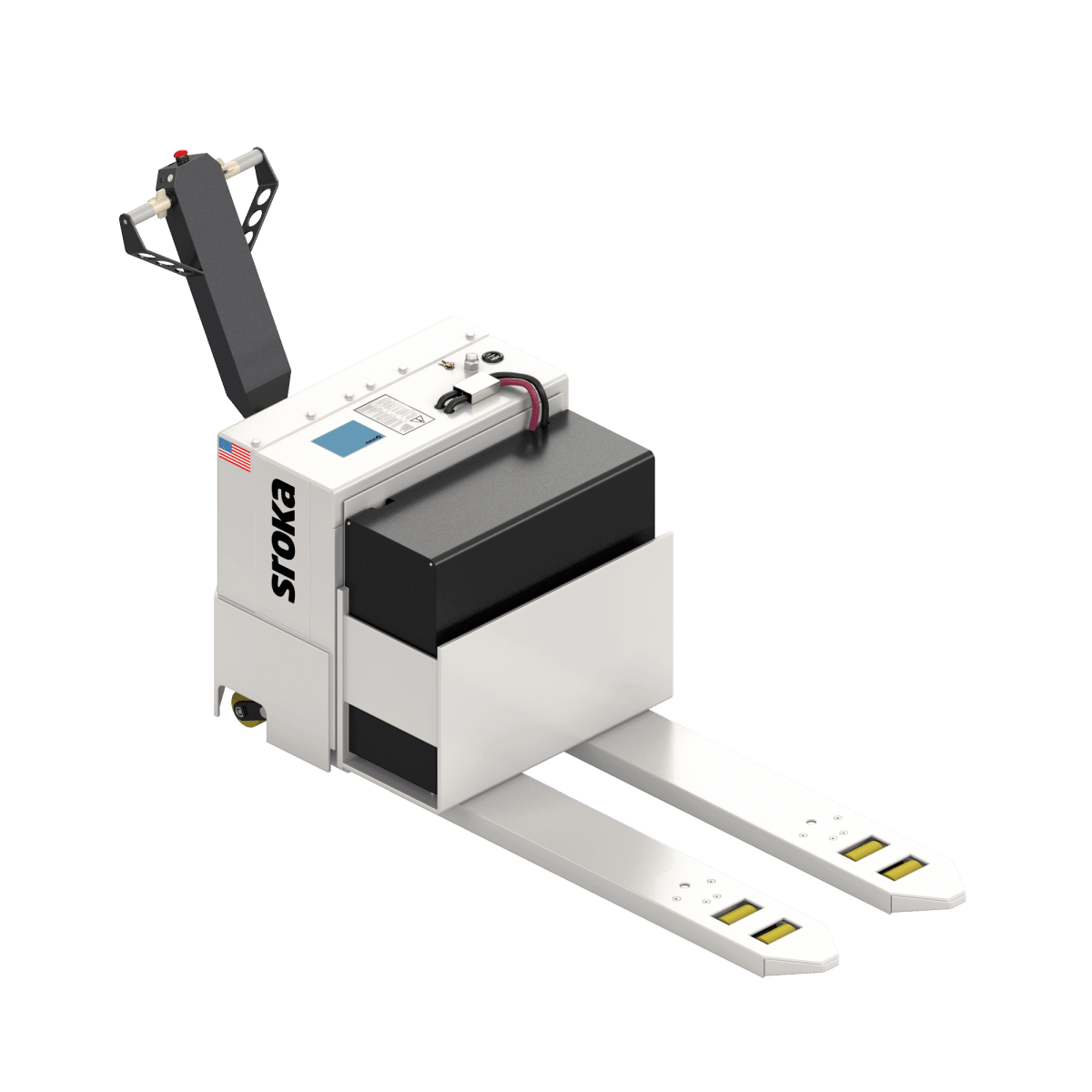
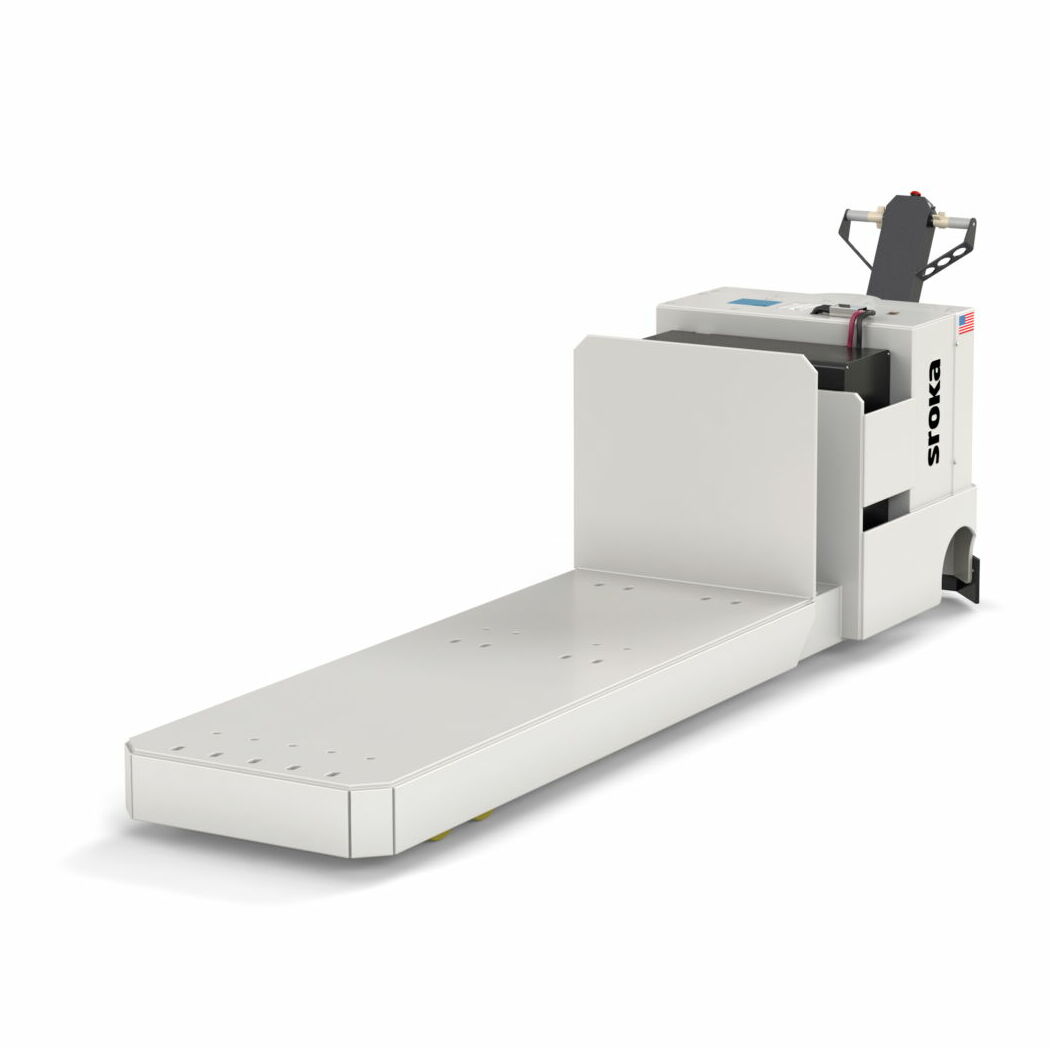
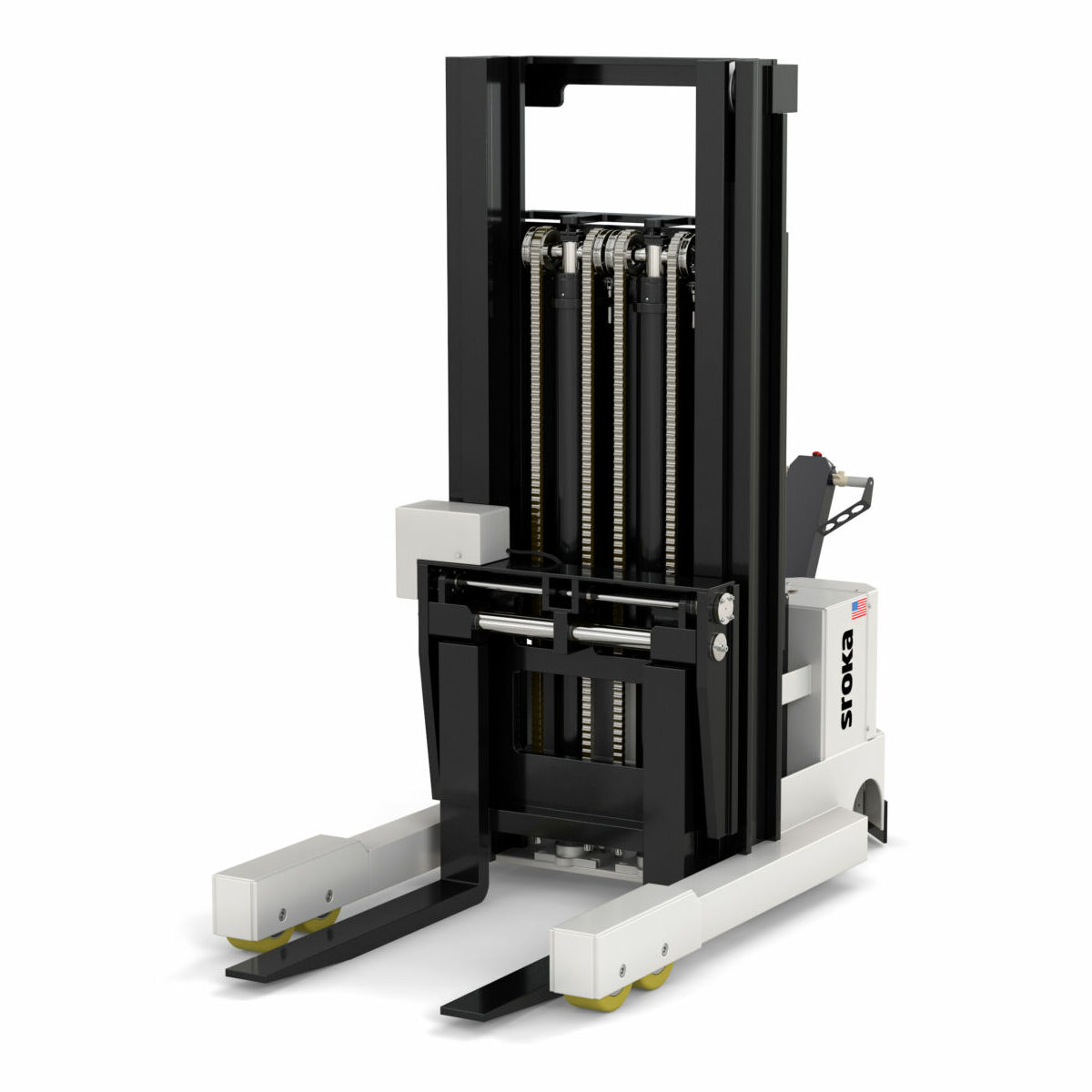
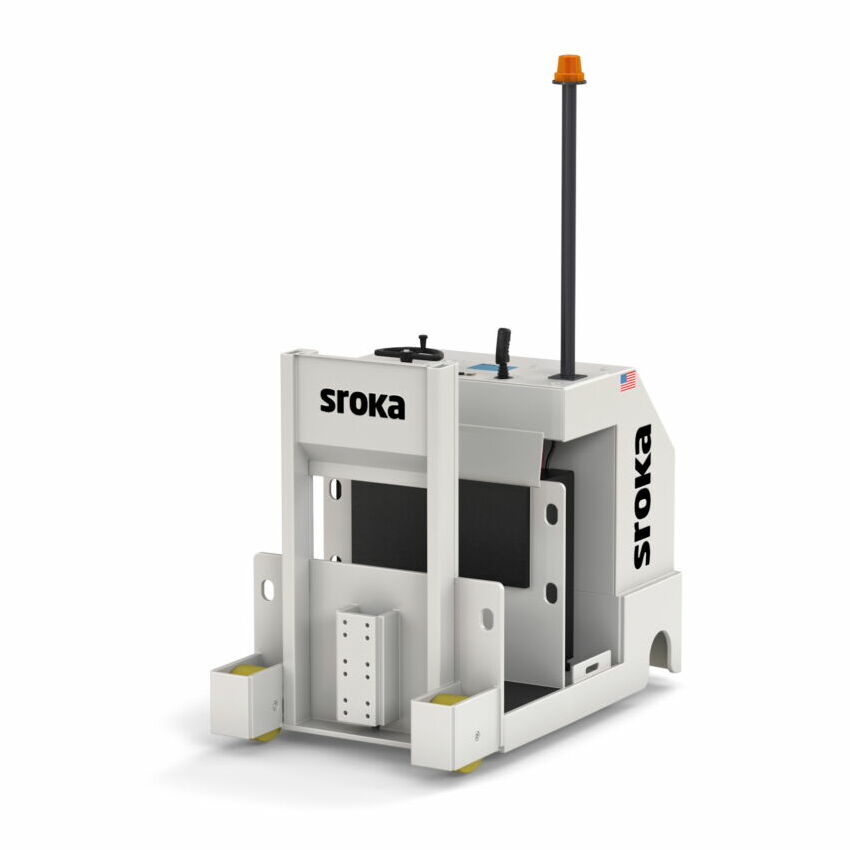
Depending on the application, washdown-ready, corrosion-resistant, sanitary, or stainless-contact configurations may be available across multiple equipment types, including:
Application-Based Engineering Instead of One-Size-Fits-All Material Selection
Not every wet or corrosion-prone application requires fully stainless equipment. In many cases, the best design is determined by how the equipment is cleaned, which components are exposed, whether product-contact surfaces are involved, how aggressive the cleaning agents are, and what level of sanitation or corrosion resistance is actually required.
That application-based approach can lead to solutions such as stainless-clad platforms, stainless forks, protected electronics, stainless axles, corrosion-resistant contact surfaces, or full stainless construction when justified by the environment.
Why Sroka for Washdown and Corrosion-Resistant Applications
Related Industries and Products
Washdown and Corrosion-Resistant Equipment FAQ
Request a Quote for a Washdown or Corrosion-Resistant Application
Tell us about your environment, cleaning method, chemical exposure, product-contact requirements, and the type of load being handled. Sroka can recommend the right combination of washdown protection, corrosion resistance, stainless components, or full stainless construction for the application.